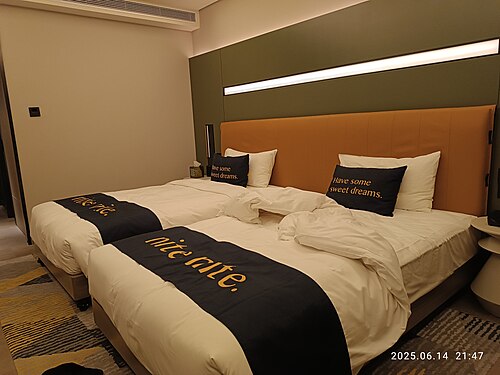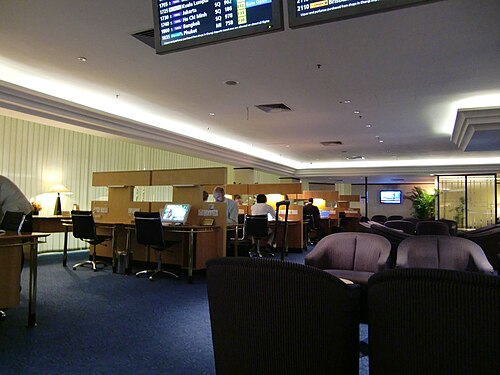
An arrival window in local time
Arrival arrangements become useful when they describe a real time window and a clear way to enter the property. Your train or flight arrival is not the moment you reach the accommodation door. Allow for the onward journey, luggage and any changes of transport. In your first message, give the booking date, your expected arrival window in local time and the number of guests. This lets the property respond to a specific situation rather than to an ambiguous arrival time.
The actual entry process
Establish whether someone will meet you, whether you should go to reception or whether there is a separate key collection process. Ask for the precise address and the relevant entrance: a building's street address may not explain how to reach the correct door. If stairs, a lift or another access detail matters, raise it now. Save the reply where you can retrieve it without connectivity. Keep access codes and personal booking details out of public documents or open social group posts.
Delay and confirmation
In a hypothetical situation, a traveller expects to reach the property around nine in the evening but faces an uncertain connection. Instead of promising an exact arrival, they provide a window and ask what to do if they arrive later. It matters which communication channel the property monitors and until when. A message sent is not a message confirmed. If late access is essential to the booking, resolve an unanswered request before departure. Do not assume an automated welcome message answers every individual question.
Three answers together
On the travel day, send a revised estimate when the situation changes meaningfully. State the new expected time and whether you need different collection arrangements. If an unexpected payment or access instruction arrives, verify it through an established booking channel rather than relying on an unfamiliar contact in that message. A good arrival note ultimately answers three questions: where to go, how to get in and whom to contact when the plan changes. Keeping those answers together makes the next step easier to follow when you are tired.
An original, AI-assisted editorial guide. This is not a first-hand trip report, paid partner review or booking offer. Check changing provider conditions at the original source.
How we handle partner links