More than kilometres
Do not plan city walking only in kilometres. Stops, crossings, stairs, surfaces and time spent standing all shape the day. Two routes of equal length can therefore feel different to the same person. Begin with the walking rhythm you find comfortable in ordinary life and the conditions in which you prefer to rest. This is a personal starting point, not a performance target or medical measure. Ask companions for specific needs rather than a general assurance that they will manage.
Usable rest stops
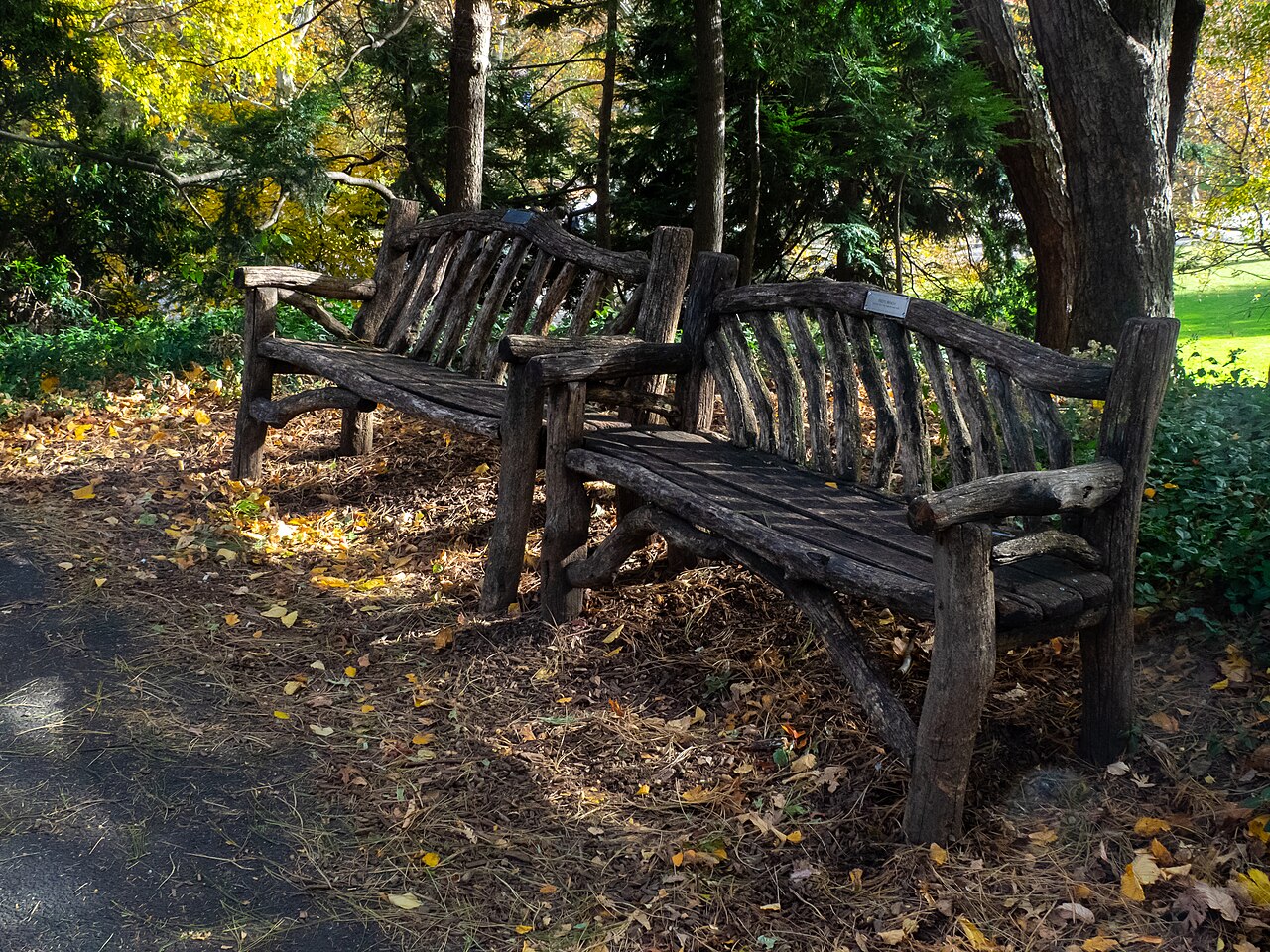
Mark realistic stopping places alongside the main sights. Sitting down, eating and resting under cover can be different needs, so do not treat one randomly selected café as a solution to everything. Check availability and relevant details directly. Where somebody needs a step-free route or particular access arrangements, seek precise information instead of relying on a general map symbol. A rest stop becomes useful when it is genuinely along the route and meets the needs of the person using it.
An agreed switching point
Imagine a long loop with the day's most important museum in the middle. Rather than making completion of the entire walking route the goal, walk the first section and preserve a transport alternative for the remainder. The main experience then does not depend on everybody wanting to walk equally far. Identify the switching point beforehand. Decisions are easier when you do not have to discover where and how to continue differently for the first time after becoming tired.
A pace matched to the day
During the day, shorten or modify the plan according to actual circumstances. A useful rest is part of enjoying the next activity rather than time taken away from it. If preferences differ, companions may choose separate short activities and meet again afterwards. Judge the plan by whether attention and enjoyment remained for the important places, not by whether every marked street was completed. For a future trip, note which transitions took longer or proved less convenient than expected. Those observations give the next route a practical basis.
An original, AI-assisted editorial guide. This is not a first-hand trip report, paid partner review or booking offer. Check changing provider conditions at the original source.
How we handle partner links