Observe what your own itinerary creates
To reduce single-use items, first notice what regularly appears during your travel day. Do not begin by buying a new equipment list. Record the packaging, bags or eating accessories you use and identify situations for which something you already own could work. The aim is not a perfect kit. It is to handle a few repeated situations more simply. An existing reusable item helps when you actually carry it and can use it in the circumstances. A new accessory that stays inside the suitcase does not change the everyday pattern merely by being present on the trip.
Connect an item with a habit
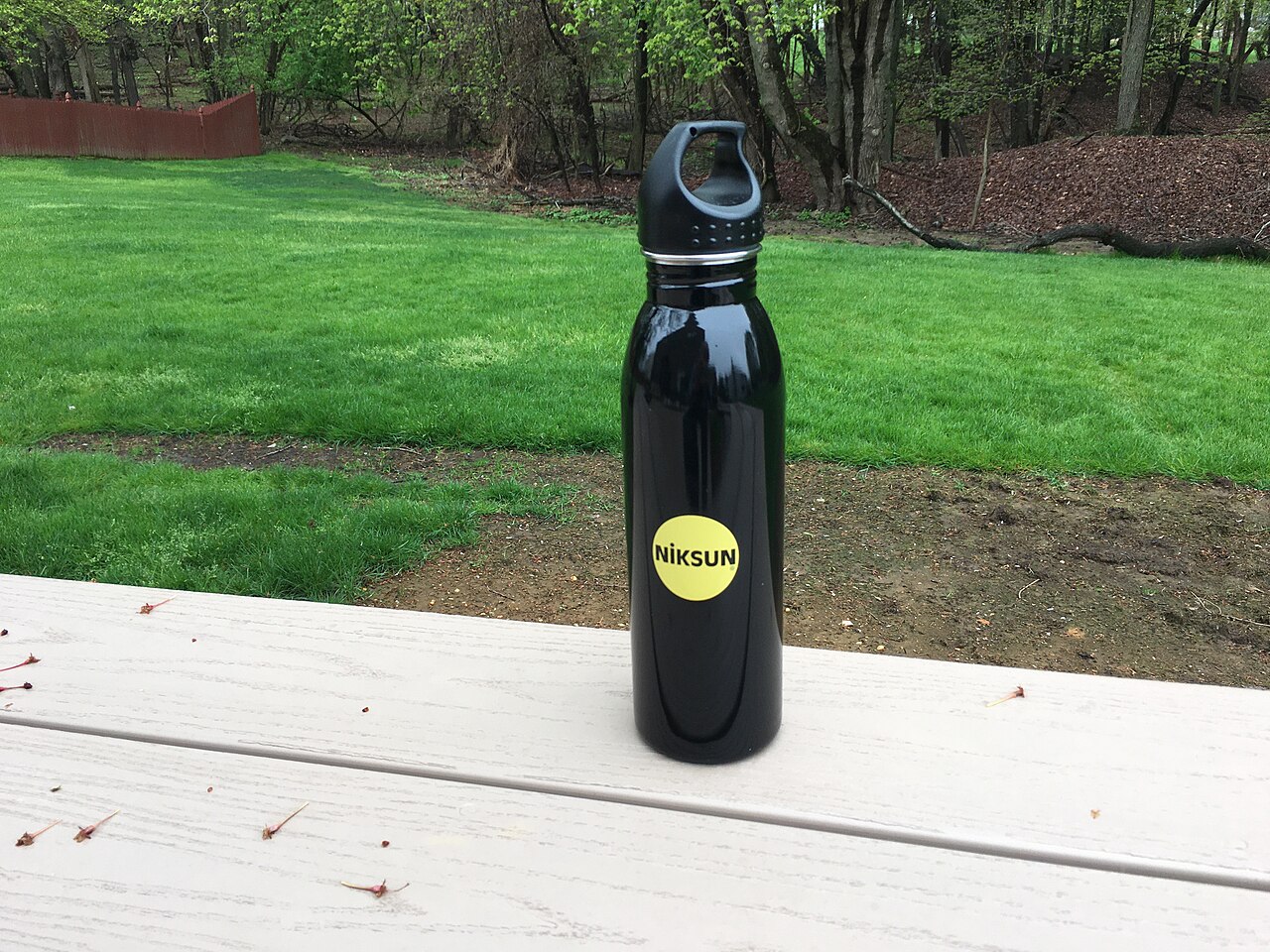
For each chosen object, identify a use and a way to maintain it. If you want to carry a container, consider when you would use it, where it would fit and how you would keep it clean. Do not assume every provider can accommodate your preference; the service and product may matter. Ask politely and keep an uncomplicated alternative available. Avoid claiming a general environmental saving simply because an item carries a reusable label. In this approach, the observable aim is avoiding particular unnecessary disposable objects in your own day, rather than presenting an unverified estimate of total environmental impact.
Choose two changes you can maintain
For an imaginary week away, you could choose two habits: carry a shopping bag you already own and consider whether additional packaging being offered is necessary for the purchase. These examples are small organising choices rather than requirements for every situation. During the trip, notice which works easily and which creates more difficulty than it resolves. Use that information to revise your list afterwards. If you never used an object, reconsider the habit before searching for another product to replace it. A lasting routine here means consistent personal practice: steps you can actually repeat on another journey, rather than a collection of attractive intentions or newly purchased equipment.
An original, AI-assisted editorial guide. This is not a first-hand trip report, paid partner review or booking offer. Check changing provider conditions at the original source.
How we handle partner links