Make rest an actual stop
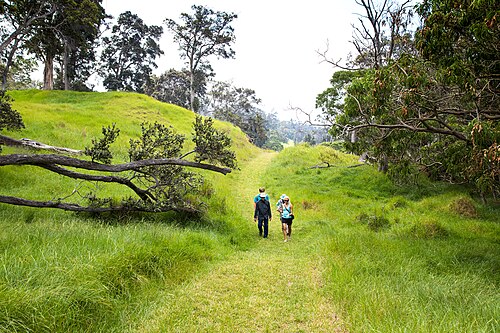
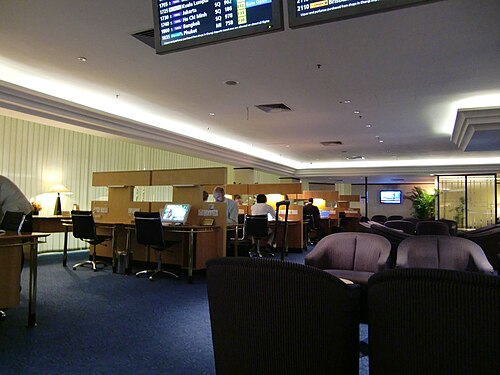
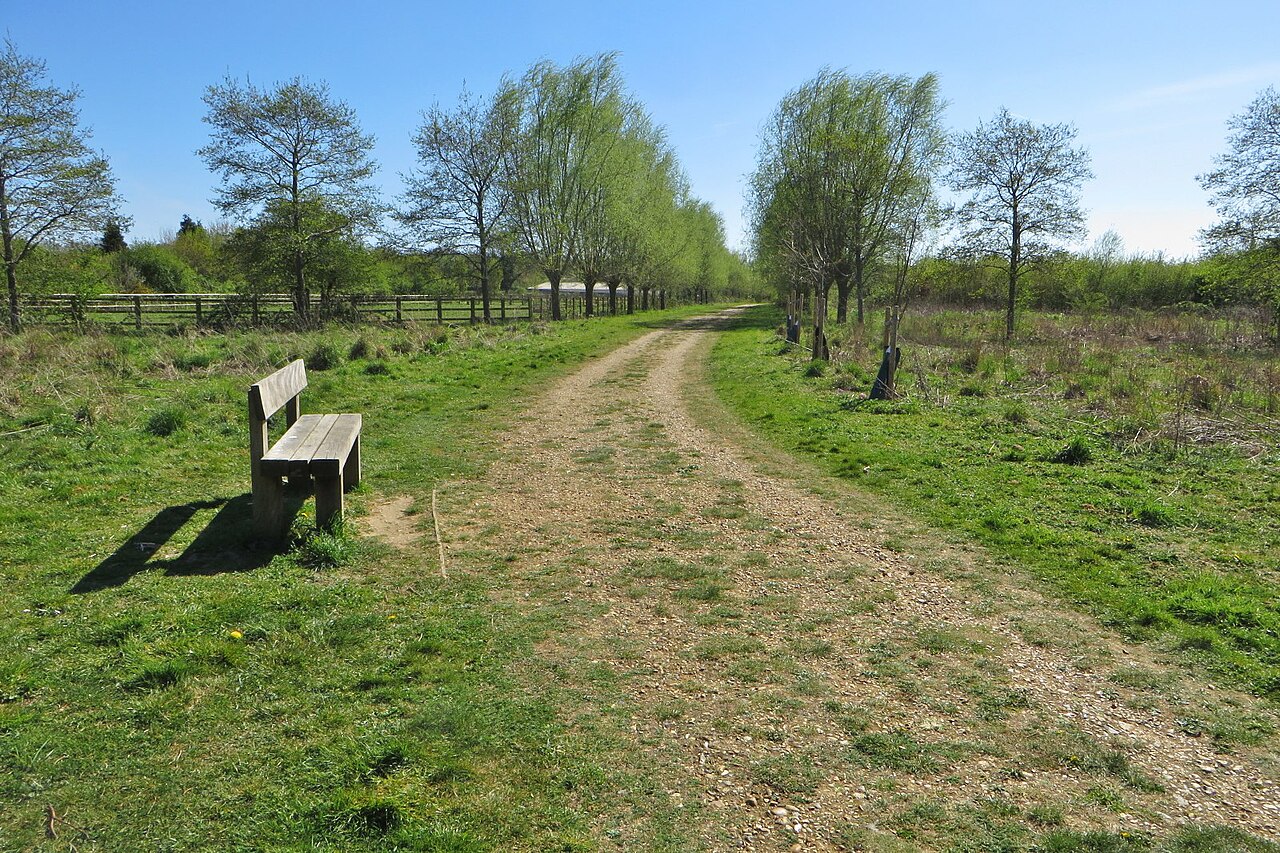
If you only plan a break after somebody is already tired, fewer choices remain. Instead, treat rest as part of the route just like a sight or meeting. Discuss which rhythm feels comfortable for each traveller without turning the conversation into a performance contest. Rest might involve sitting, a quieter period or simply interrupting a scheduled activity. Let the person concerned describe the need. There is no walking duration or compulsory break ratio here that applies to everyone. Look for places and decision points that allow different rhythms within the journey you are actually planning to take.
Draw stages and exit points
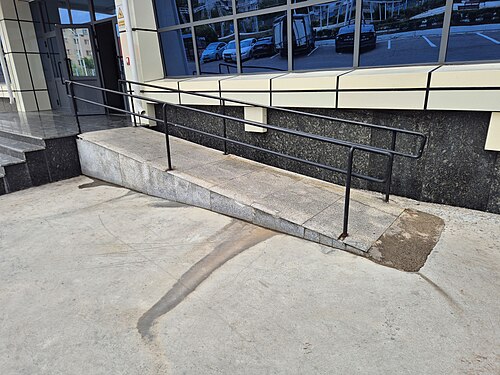
Think in smaller stages rather than treating the whole day as one route. At the end of each, make it possible to continue, stop or return. Check what kind of place would provide a useful break and what conditions affect access. A café saved on a map does not establish that it will be open or have space on the day. Include a simpler alternative that requires less organisation. If companions move at different speeds, an agreed meeting point helps. This prevents every adjustment from requiring a complete redesign or making somebody justify wanting a different pace from the rest of the group.
Evaluate how the day worked
Imagine a city walk intended to explore three neighbourhoods. After each one, the plan includes a small decision: is there still interest and time for the next stage? Returning after the second can still complete a successful day. The relevant measure is the original purpose, such as exploring together, rather than reaching the most distant point. In the evening, discuss which breaks worked and which stages took longer than expected. Use those observations to shape the following day. This approach is not an absence of planning. It creates a structure in which changes are expected, acceptable and straightforward to make when the actual experience differs from the first sketch.
An original, AI-assisted editorial guide. This is not a first-hand trip report, paid partner review or booking offer. Check changing provider conditions at the original source.
How we handle partner links