Start with the exact booking
For cabin baggage, first locate current information for the particular flight, fare selection, and journey segment. Do not infer the rules from a previous trip or another traveller’s bag. Copy the relevant size, weight, and item-count conditions from the provider’s own description and note precisely what they apply to. If several segments or providers are involved, check each. This article does not supply a universal size limit because your luggage needs to fit the actual booking. Clarify ambiguous wording before packing. That prevents the departure day from becoming the moment you discover that your preparation followed conditions belonging to a different fare or journey.
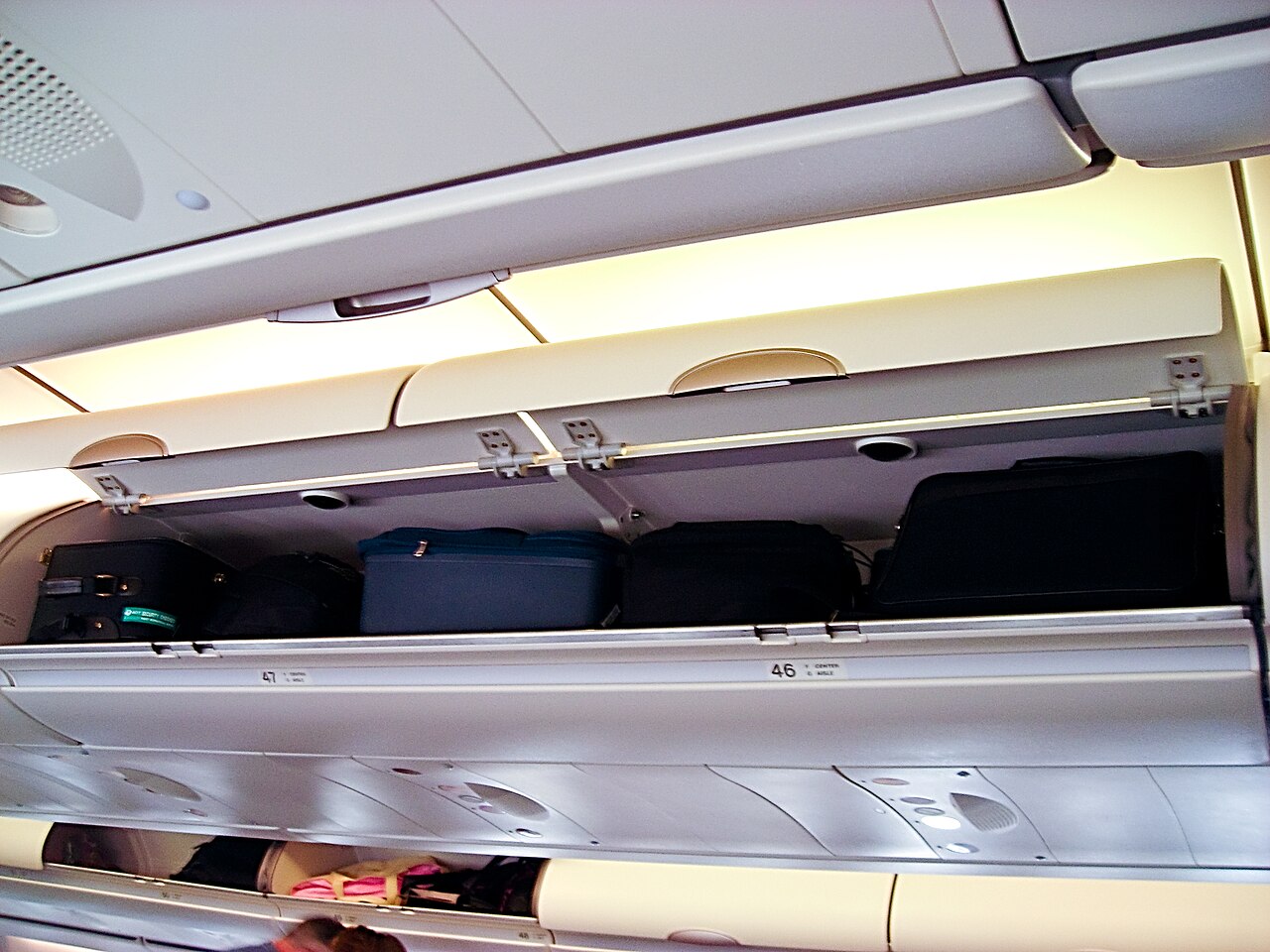
Assess the bag when it is filled
Examine the bag with the contents you will actually carry. A soft bag may have a different shape when full, and outside pockets or protruding parts can affect how it fits. Follow the provider’s measurement instructions and treat your own measurement as information rather than a promise of acceptance. On an imaginary weekend trip, choose clothes for confirmed activities first and then examine the remaining space. If the bag closes only with force, review objects used once or items that could substitute for each other. Do not begin by looking for a larger bag. First establish which volume is justified and which objects were included simply through habit.
Test how you will use it in transit
With the packed bag, try a short practical sequence: lifting, carrying, setting it down, and retrieving what you need. Keep documents and personal items required during the journey accessible without unpacking everything. Separately check rules for transporting particular objects with the relevant provider and official authority; convenient organisation does not replace that check. Photograph your packing arrangement if you want to repeat it later, but avoid sharing personal information in the image. After returning, note which compartments and objects were actually useful. The next packing attempt can then become easier in real travel situations, not merely smaller on paper. Practical access is part of a workable bag design.
An original, AI-assisted editorial guide. This is not a first-hand trip report, paid partner review or booking offer. Check changing provider conditions at the original source.
How we handle partner links